Carlo Marcato asks whether Mallet condensation could affect vascularity and favor fibrous integration. The discussion covers bone quality, an animal pilot study and failures Marcato reports with MT-Bone.
Good morning, Dr Marcato. This is certainly a highly relevant and interesting question. To encourage discussion, I am sure your colleagues can contribute their direct clinical experience.
I can respond primarily on the basis of the scientific literature. In this context, I recommend the study by Schierano Baldi et al. (2021), which used histological and biomolecular analyses to compare implant sites prepared with the Magnetic Mallet with sites prepared using conventional drills.
A particularly interesting finding was that sites prepared with the Mallet contained significantly less fibrous tissue, together with significantly greater newly formed bone, higher osteoblast counts and significantly increased BMP-4 expression, as well as positive trends in other osteogenic factors.
Assisted translation
Original text
Buongiorno Dottor Marcato, la sua è sicuramente una domanda molto interessante e pertinente. Per stimolare anche la conversazione, sono sicuro che i suoi colleghi potranno risponderle portando la loro esperienza clinica diretta.
Io posso risponderle soprattutto sulla base della letteratura scientifica.
Proprio su questo aspetto le suggerisco lo studio di Schierano Baldi et al. (2021), che ha confrontato istologicamente e biomolecolarmente i siti implantari preparati con Magnetic Mallet rispetto alla tecnica tradizionale con frese.
Un dato particolarmente interessante è che nei siti preparati con il Mallet è stata riscontrata una quantità significativamente inferiore di tessuto fibroso, associata a un aumento significativo dell'osso neoformato e del numero di osteoblasti, oltre a un incremento significativo della BMP-4 e a un trend positivo di altri fattori osteogenici.
Therefore, according to these histological and biomolecular data, osseocondensation with the Mallet does not appear to produce poorly vascularised bone or a greater risk of fibrous integration. On the contrary, the study indicates a biological response that favours new bone formation.
If you would like to explore the subject further, the full paper is available on the Osseotouch website in the “PROTOCOLS & PAPERS” research section.
Assisted translation
Original text
Quindi, sulla base di questi dati istologici e biomolecolari, l'osseocondensazione ottenuta con il Mallet non sembra tradursi in un osso scarsamente vascolarizzato con maggiore rischio di fibrointegrazione; al contrario, i risultati dello studio indicano una risposta biologica favorevole alla neoformazione ossea.
Nel caso volesse approfondire, può trovare l'articolo completo sul sito Osseotouch, nella sezione dedicata alle ricerche "PROTOCOLLI &PAPERS"
Thank you, Luca. Your explanation was very clear; you appear to be the only representative who has clarified this concept, and I fully agree. I saw that Dr Arduini created a Mallet kit for use in the mandible, where bone is denser, as shown in his video. It therefore seems that he does not share this concern.
Assisted translation
Original text
Grazie Luca sei stato molto chiaro mi pare tu sia stato l unico dei referenti a chiarire questo concetto e sono pienamente d accordo. Ho Vito che il dr Arduini ha creato un kit per Mallett in mandibola dove l osso è più denso come nel suo video. Mi pare quindi che il collega non si ponga la questione .
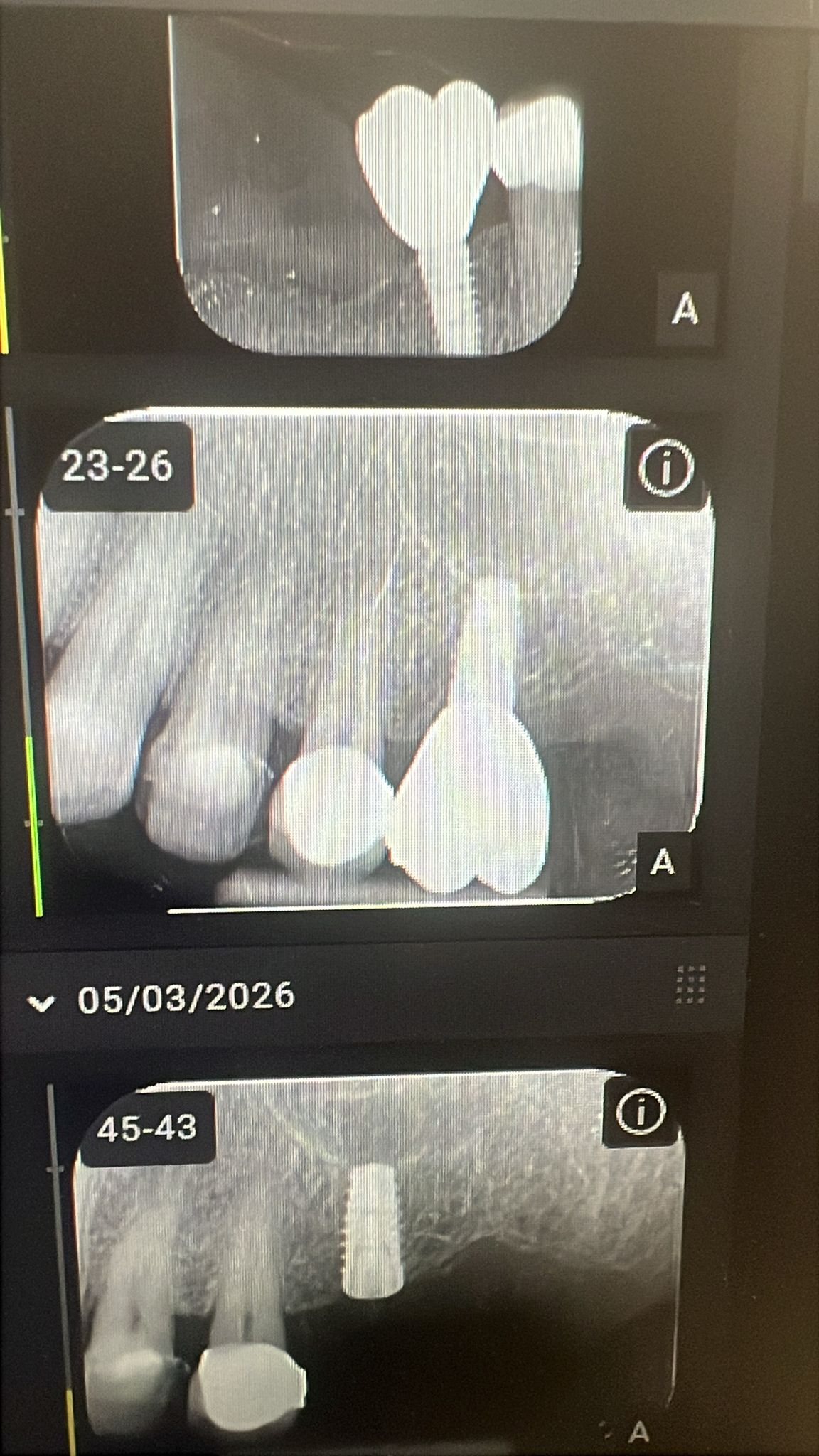
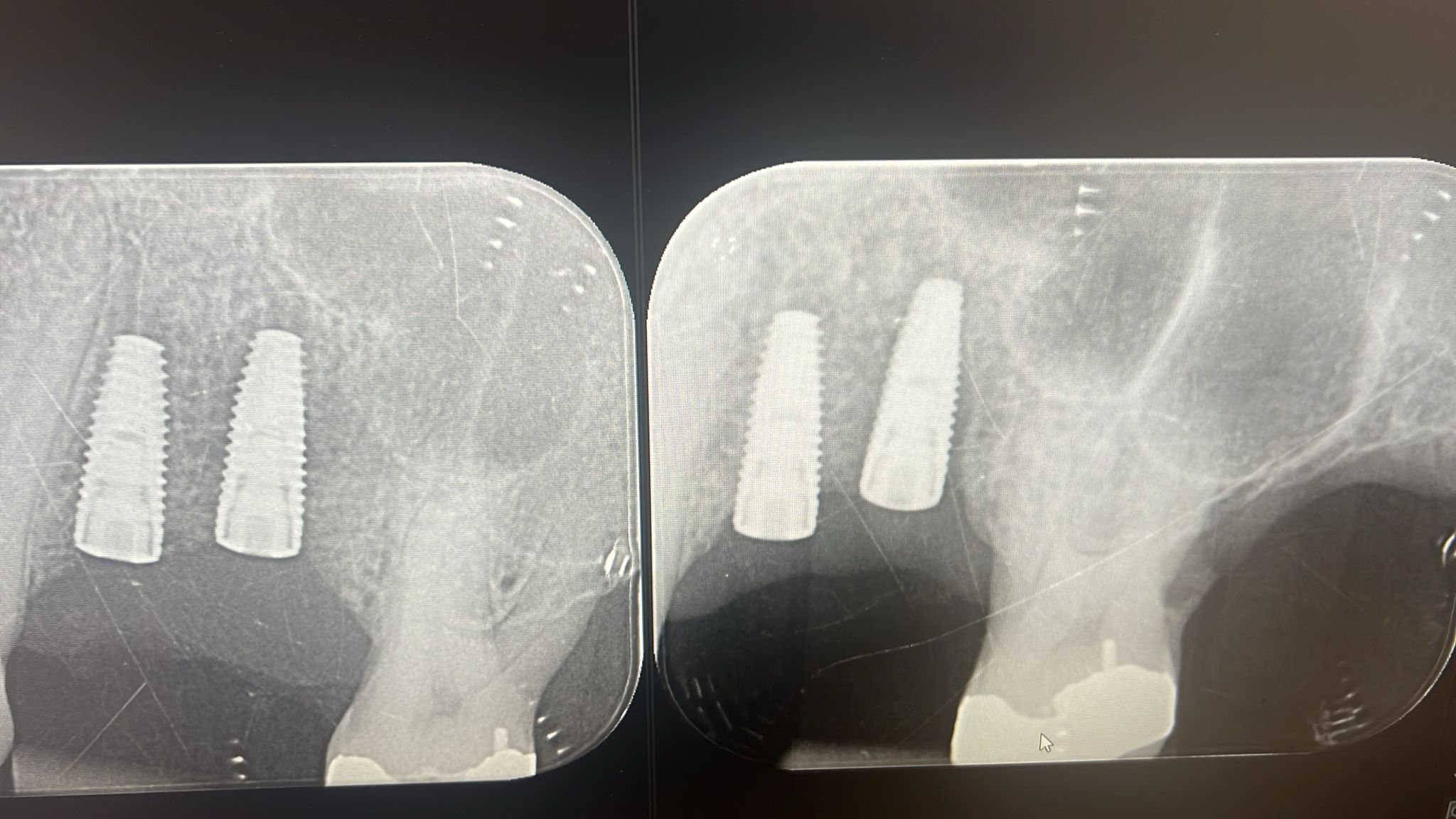
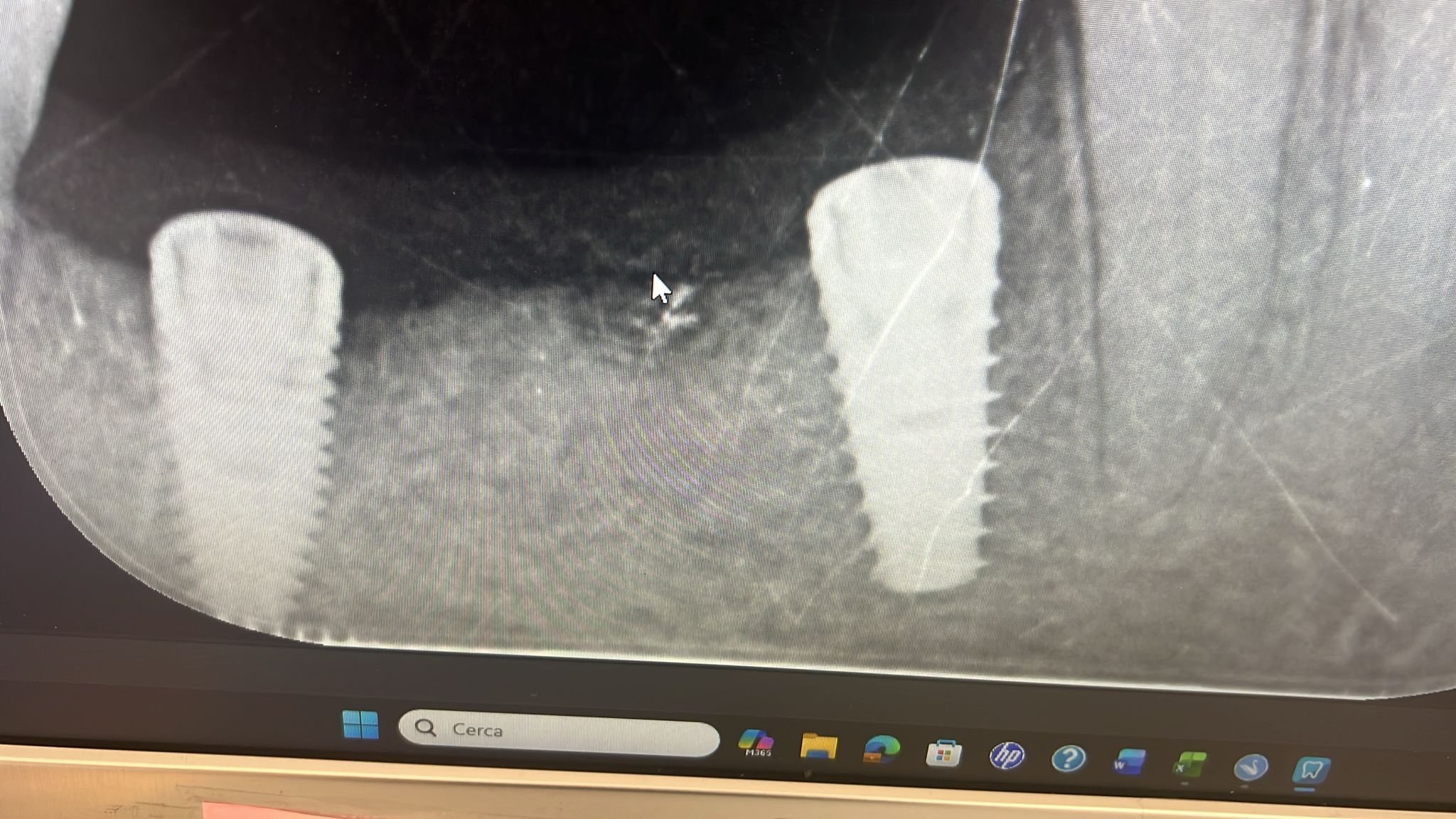
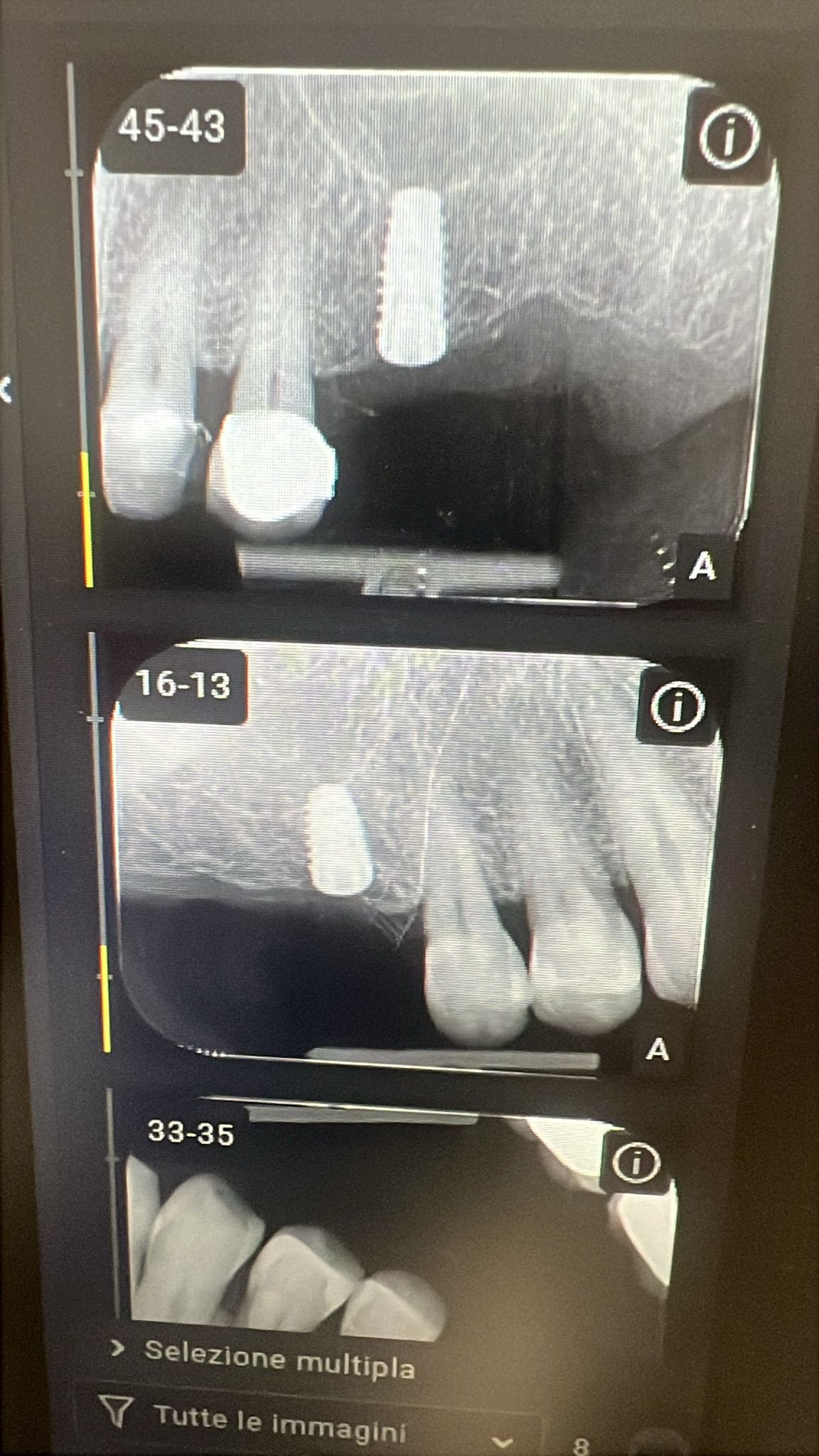
Luca, I am asking these questions because I became somewhat sceptical after purchasing Mectron’s new MT-Bone, which is highly effective for bone preparation. Unfortunately, I lost the implants because they underwent fibrous integration, and no one could explain why. Your Black Ruby tips are excellent.
Assisted translation
Original text
Luca mi pongo queste domande per che’ sono diventato un po scettico dopo l acquisto del nuovo MT BONE della mectron che ha notevole capacità nella preparazione dell osso, peccato che ho perso gli impianti ( fibrointegrati) nessuno mi ha dato risposta . Ottimi i tuoi black ruby
Mario, I would say definitely not. As demonstrated by Professor Canullo’s Hybrid Funnel Technique, osseocondensation is particularly indicated in lower-density bone—especially D2, D3 and D4—because of the biological and mechanical properties of cancellous bone.
The key is correct management of the cortical plate. In particularly dense cortical bone, excessive compression should be avoided by preparing it appropriately or selectively removing the component that could cause overcompression, as also envisaged in the rationale for the Funnel Technique.
Using osseocondensation in the maxilla is therefore by no means an error. When tailored to bone quality and combined with correct cortical management, it has a well-documented biological rationale and very interesting clinical outcomes. I can send you the paper if you wish; it contains highly relevant evidence.
Assisted translation
Original text
Mario, direi proprio di no . Come evidenziato anchel’osteocondensazione Hybrid Funnel Technique,del Prof.Canullo l’osteocondensazione trova una particolare indicazione nell’osso a minore densità, soprattutto D2-D3-D4, proprio per le caratteristiche biologiche e meccaniche dell’osso midollare. Il punto importante è gestire correttamente la corticale: nelle corticali particolarmente dense è opportuno evitare un’eccessiva compressione, eventualmente preparandole o rimuovendone selettivamente la componente che potrebbe creare sovracompressione, come previsto anche dal razionale della Funnel Technique.
Quindi utilizzare l’osteocondensazione nel mascellare non è affatto un errore: è una tecnica che, se applicata in funzione della qualità ossea e gestendo correttamente la corticale, ha un razionale biologico ben documentato e risultati clinici molto interessanti. Se vuole le giro l'articolo ha evidenze molto interessanti
In terms of bone mineralisation, the maxilla is generally more suitable for osteotome preparation than the mandible.
Nevertheless, osteotomes can also be used in the mandible in many cases—for example, at immediate post-extraction sites or in mandibles resembling hollow boxes, with an external cortical shell and almost exclusively cancellous bone internally. The principal obstacle to osteotome use in the mandible is often the cortical bone rather than the cancellous bone.
Conversely, some maxillae are extremely dense: the cortical plate may be thin, but the cancellous bone is highly mineralised.
Each case must therefore be assessed individually. Other factors must also be considered, including implant geometry, connection type, the related ability to place the implant subcrestally, and osteotome design.
For example, Black Ruby tips expand laterally, whereas other tips such as Easy In and Elevate condense apically and produce less lateral expansion. A tip that produces limited lateral expansion and greater apical condensation reduces the risk of compression necrosis.
The extent of any necrotic surface must also be considered; the body can manage small areas without causing implant failure.
It is difficult to summarise everything in a single message, but I hope it is clear that “osteotomes” does not mean “for exclusive use in the maxilla” and that many other factors are involved. <This message was edited>
Assisted translation
Original text
Se parliamo di grado di mineralizzazione ossea in linea di principio il mascellare superiore si sposa meglio con una preparazione osteotomica rispetto all’inferiore.
Ciò non toglie che in molti casi si possano utilizzare gli osteotomi anche in mandibola. Basti pensare ai post-estrattivi oppure a quelle mandibole che sono come delle scatole vuote (corticale esterna e praticamente solo midollare all’interno). Spesso l’impedimento maggiore dell’utilizzo degli osteotomi in mandibola è dato dalle corticali, più che dalla midollare.
Altresì ci sono mascellari marmorei dove la corticale è scarsa in spessore, ma la midollare è estremamente mineralizzata.
Questo per dire che ogni caso è a sé stante e comunque sono da tenere in considerazione una serie di altri dati come la geometria implantare, il tipo di connessione (e connesso a questi due aspetti l’affondabilità dell’impianto sotto cresta) e il disegno degli osteotomi.
Ad esempio i Black Ruby espandono lateralmente, mentre altri inserti come gli easy in o gli elevate condensano in apice e espandono meno.
Un inserto che espande poco lateralmente e più apicalmente riduce il rischio di necrosi da compressione.
Poi c’è da tener conto del quantitativo di superficie interessata da una eventuale necrosi; piccole aree l’organismo riesce a gestirle senza indurre il fallimento.
È difficile riassumere tutto in un messaggio, ma spero si sia capito che “osteotomi” non significa “uso esclusivo in mascella” e che entrano in gioco molti altri fattori. <Questo messaggio è stato modificato>
Losing implants after using MT-Bone is surprising—very surprising. I have placed approximately one hundred implants with it in a wide range of situations. Dense bone can sometimes be difficult with the current tips, but otherwise the device is excellent.
Assisted translation
Original text
Strano, con MT-bone perdere impianti. Direi molto strano. Io ne ho messi un centinaio in qualsiasi situazione. Magari direi che con osso duro, con gli inserti attuali a volte è difficile ma per il resto.... È super!
I will answer with a question once asked of me by a distinguished Italian professor of implantology: how do the bones of the body heal, and in response to which stimulus? The answer is straightforward.
Assisted translation
Original text
Io vi rispondo con una domanda ( che mi fece un grande professore di implantologia italiano) quale è il metodo/modo con il quale guariscono le ossa del corpo? In seguito a quale stimolo ? La risposta è facile
Perhaps the removable prosthesis transmitted load to the implants even though they were submerged, because the bone was soft and the soft tissues were thin.
Assisted translation
Original text
Forse la protesi mobile ha trasmesso un carico anche se gli impianti erano sommersi perché l’osso e’ soffice e tessuti molli, sottili
Positioning the implant 2 mm below the bone crest provides somewhat greater protection from unwanted loading and from crestal remodelling induced by bone compression at the neck of a bone-level implant placed in an undersized osteotomy to increase primary stability. Remodelling at the implant neck results in approximately 1.2 mm of vertical bone loss.
Assisted translation
Original text
Un posizionamento 2 mm sotto la cresta ossea protegge gli impianti un po’ meglio dai carichi indesiderati e dal rimodellamento della cresta indotto dalla compressione ossea al colletto dell’ impianto bone level che viene inserito in un sito sotto preparato per cercare maggiore stabilità primaria. Il rimodellamento al colletto fa perdere circa 1,2 mm di osso in verticale.
I do not wish to criticise your work. It is excellent, follows the guidelines and the implants are well positioned; advice is always easy to give in hindsight. Since I began placing implants slightly below the crest, I have observed better outcomes.
Assisted translation
Original text
Non voglio criticare il tuo lavoro e’ ottimo e ha seguito le linee guida, gli impianti sono posizionati bene, ed e’ facile dare consigli dopo. Da quando posiziono gli impianti un poco sotto cresta vedo risultati migliori